
Rethinking the Architecture of Rehabilitation
Rehabilitation centres are often associated with spaces that feel grim, institutional, regimented, and restrictive. From the outset, the design vision for Alpha Healing Centre sought to challenge these perceptions. Instead of creating a medical facility that reinforces the psychological burden of addiction recovery, the intention was to create an environment that feels welcoming, calm, and restorative—more like a resort or wellness retreat than a conventional rehab institution.
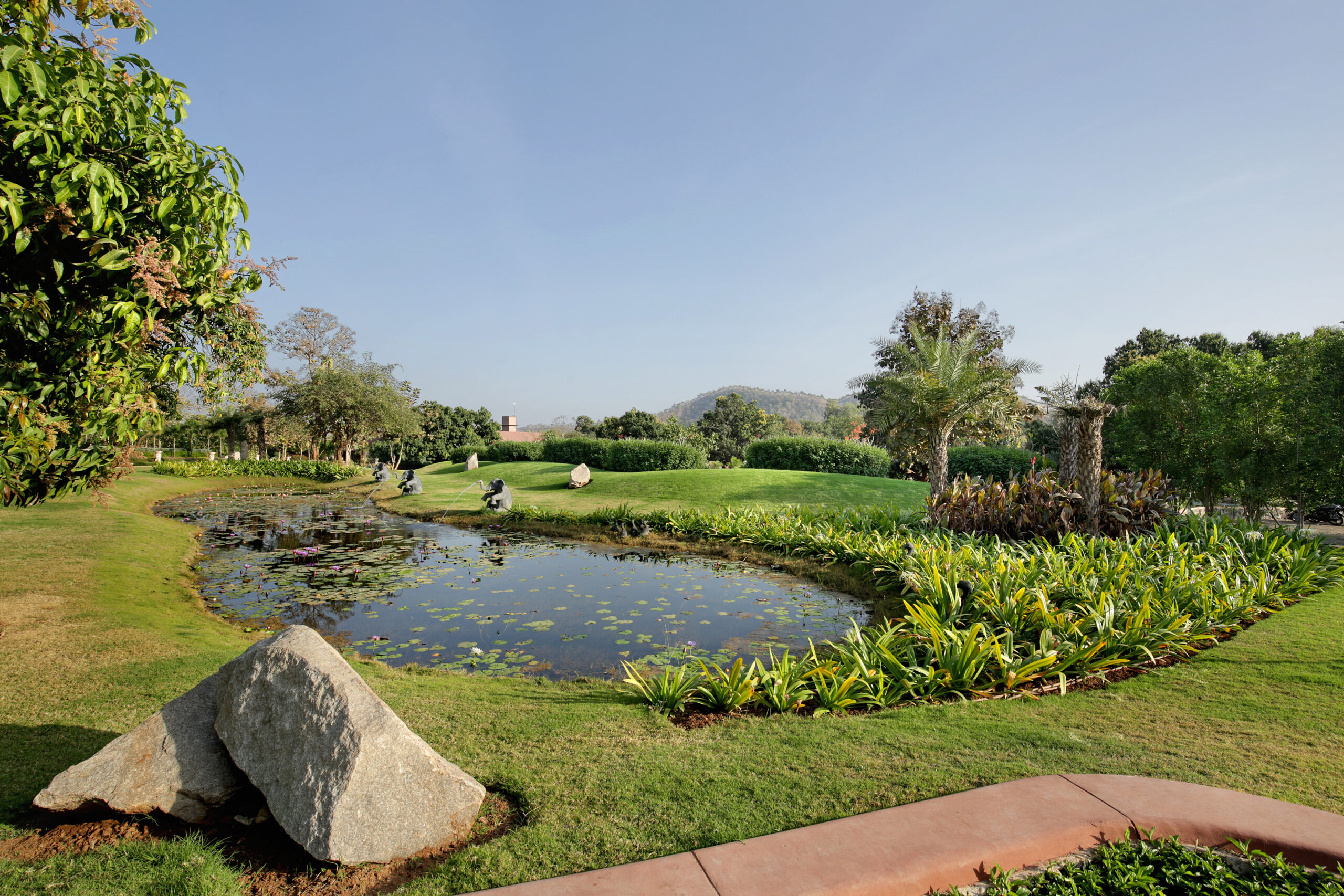
Located approximately 50 kilometres from Vadodara, the project sits within an untouched natural reserve near Jambughoda. The site is characterised by dense vegetation and large mature trees, which became the central inspiration for the design strategy. Rather than imposing a rigid built form on the landscape, the architecture was conceived as an organic extension of the natural terrain. The availability of a large site allowed the designers to dedicate nearly 550,000 sq. ft. to landscaping, significantly exceeding the built-up area and reinforcing the therapeutic relationship between architecture and nature.
Concept and Master Planning
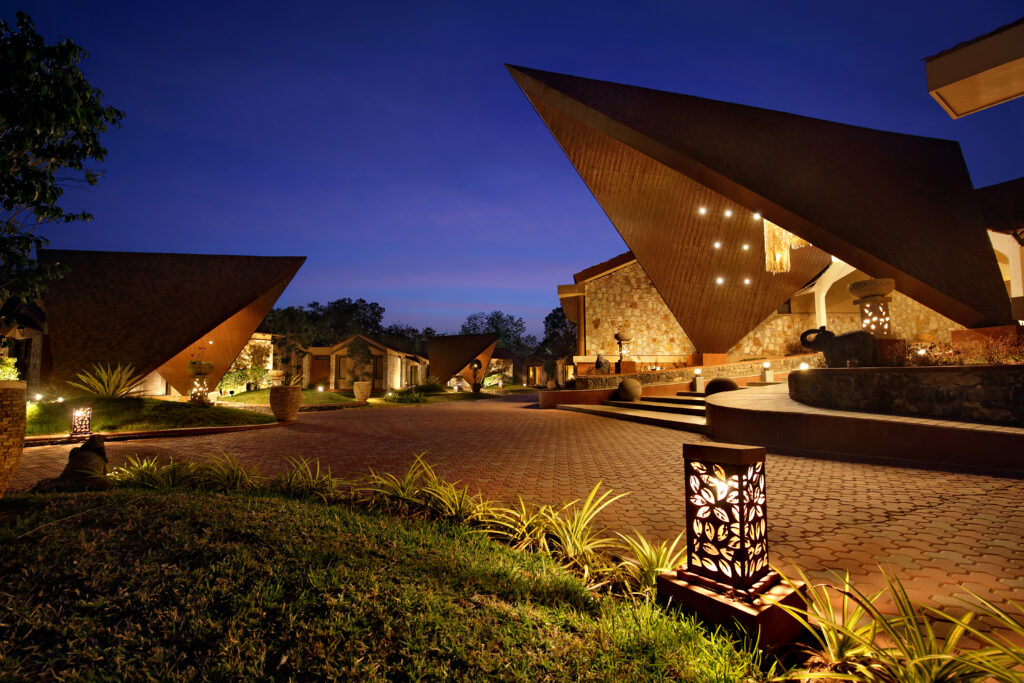
To subtly communicate relaxation and healing, the architectural language deliberately avoids rigid geometry. Instead of straight lines and orthogonal planning, the campus is organised using soft curves and radial geometry, forming a layout inspired by a flower and its petals. The flower metaphor symbolises renewal, growth, and rejuvenation, concepts closely aligned with the journey of recovery.
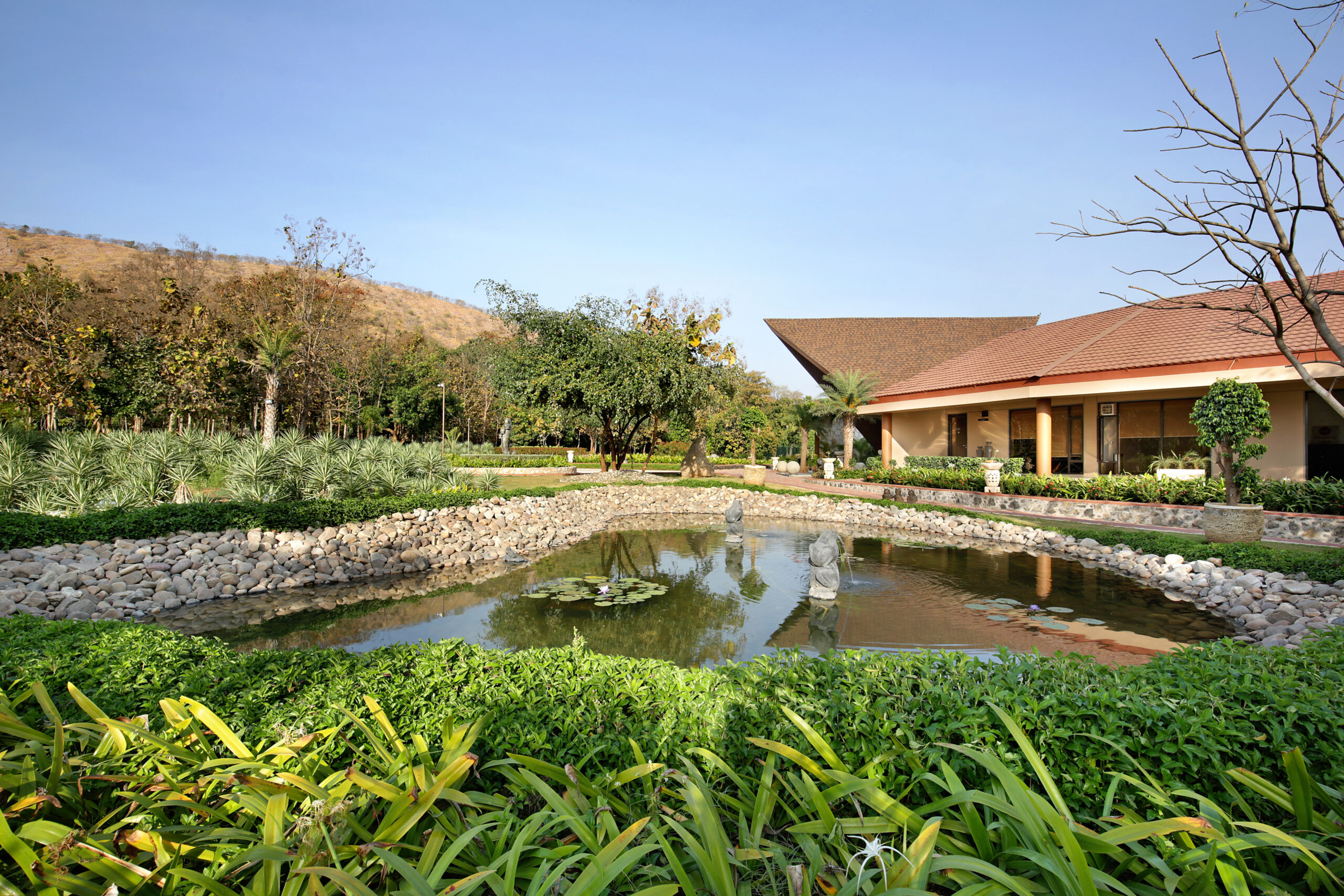
The curved footprint also allowed the architects to preserve existing trees across the site. Many of these trees were carefully integrated into the built environment, with some structures literally emerging from the canopy of existing vegetation. This approach ensures that the natural ecosystem remains a defining feature of the campus.
The master plan is organised around a central circular structure, from which various programmatic zones radiate outward like petals. This radial arrangement not only strengthens the symbolic concept but also creates a clear and intuitive circulation system, allowing residents and visitors to navigate the campus easily while remaining immersed in the landscape.
Spatial Organisation
At the heart of the campus lies the main central building, measuring approximately 25,000 sq. ft.. This building functions as the administrative and operational core of the facility and houses the reception, administrative offices, and accommodation for medical professionals and visiting faculty.
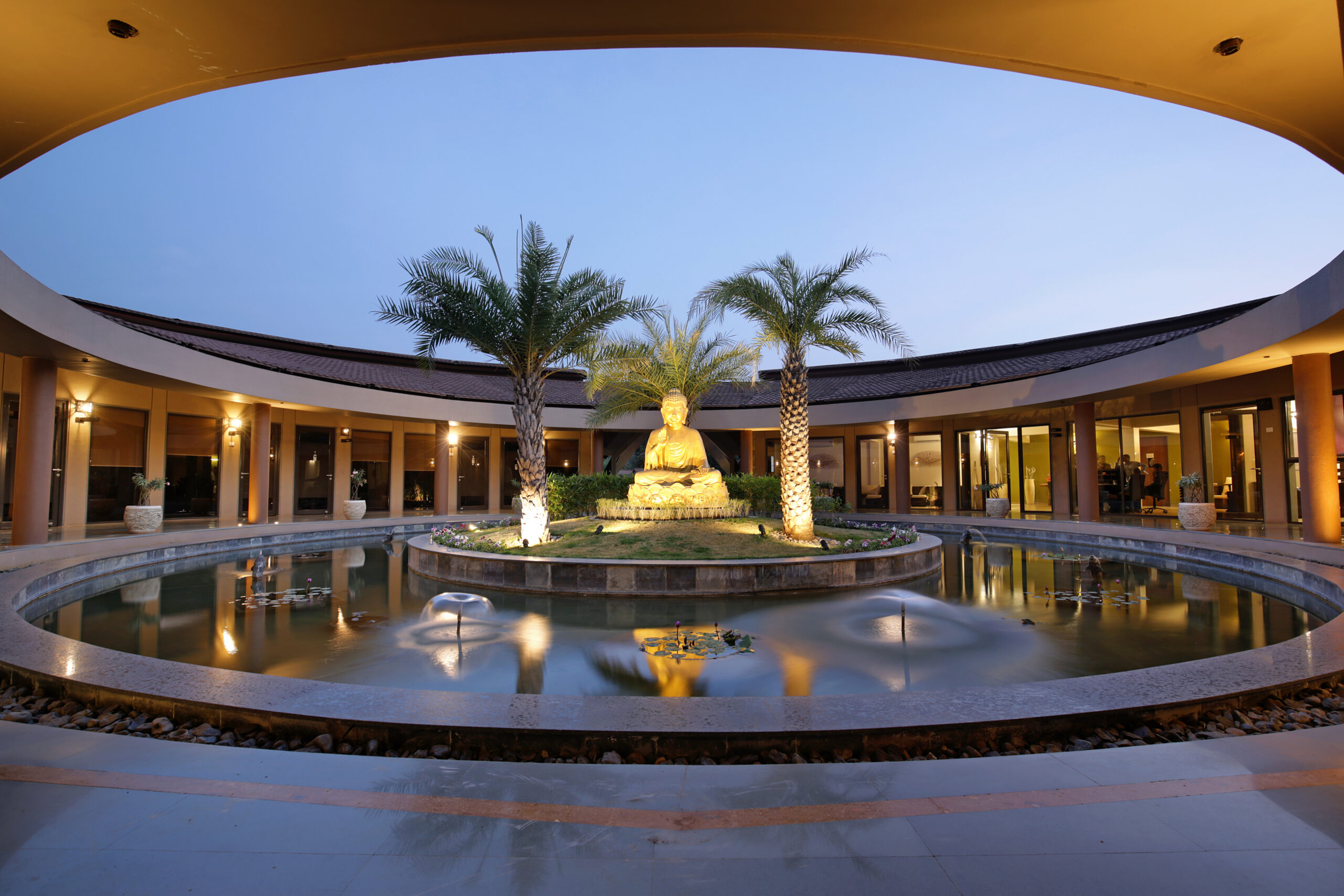
The building itself follows a circular form organised around an open-to-sky courtyard, creating a calm internal environment that allows natural light and ventilation to penetrate deep into the structure. Two concentric wings define the spatial organisation of this building:
-
The outer ring houses circulation and programmatic spaces.
-
The inner ring frames the courtyard, creating a tranquil interior gathering space.
The roof design further emphasises this radial organisation. The outer roof slopes outward, while the inner roof slopes inward toward the courtyard, reinforcing the architectural focus on the centre.
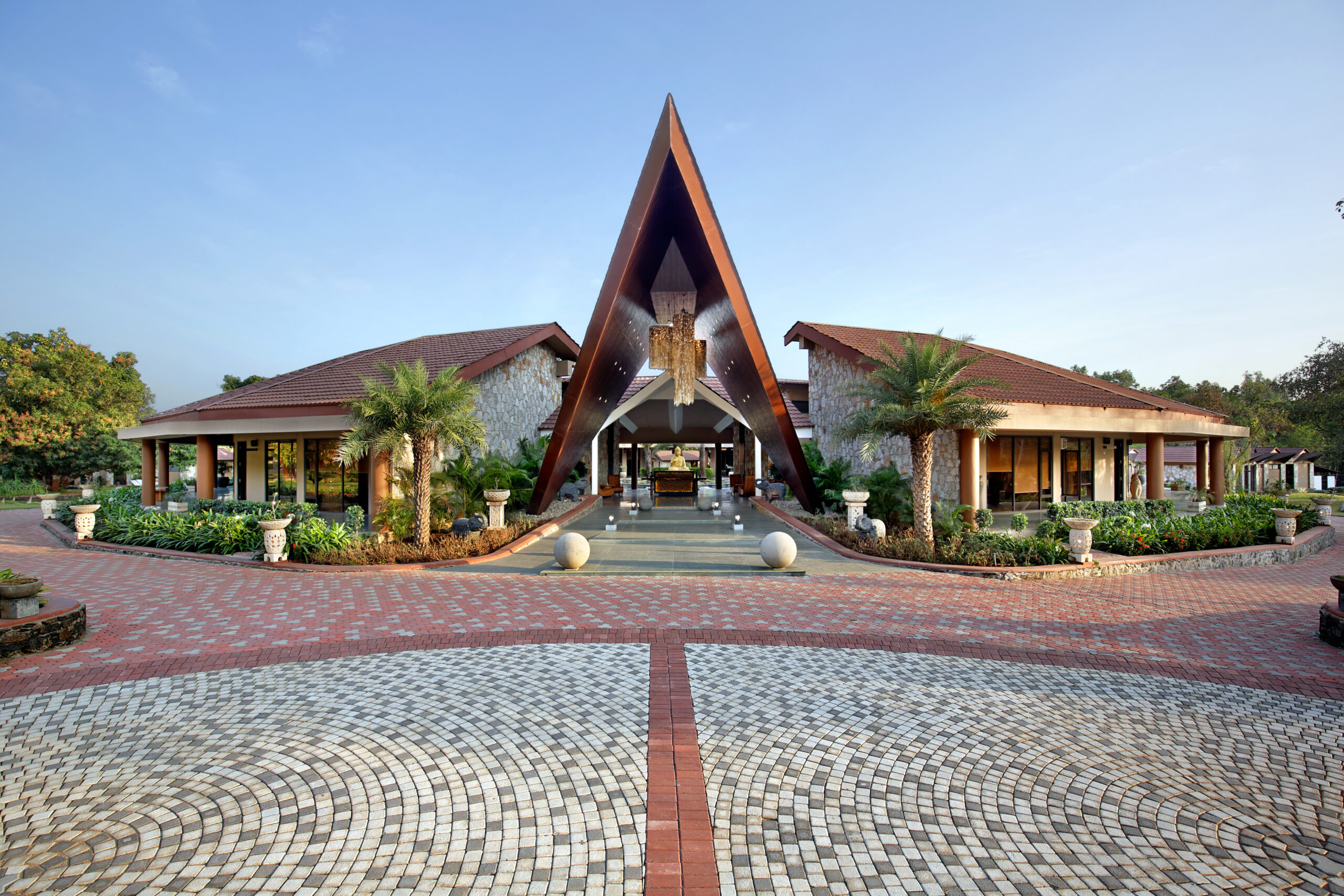
A striking architectural element marks the entrance: a dramatic pitched roof at the reception drive-in, rising nearly 60 feet into the air. This expressive gesture creates a powerful visual landmark while metaphorically symbolising aspiration and upliftment, reflecting the emotional journey of healing and recovery.
Residential Clusters
Patient accommodation is organised in a series of bungalow-like cottages, arranged as petals radiating from the central building. This layout allows every residence to maintain a strong visual and physical connection with nature, ensuring that residents remain surrounded by greenery and open space.
Currently, these cottages are single-storey structures, but the design incorporates the possibility of future expansion. The foundations have been engineered to support an additional floor, allowing the facility to grow without disturbing the existing campus layout. Access to the upper floors in the future will be provided through external staircases positioned between two cottages, allowing one staircase to serve multiple units efficiently.
The roofing system of these cottages has been carefully designed to respond to the local climate. Aluminium moulded roofing tiles coated with sand reduce heat gain and also minimise noise from rainfall during the monsoon season. The underside of the roof is constructed using cement boards containing approximately 80% fly ash, contributing to sustainable material usage.
An innovative feature of the roofing system is its reusability. When additional floors are constructed, the existing roofs can be removed and reused, reducing material waste and construction costs.
Amenities and Facilities
The centre is designed to support holistic recovery through a combination of therapy, recreation, and community activities. The campus therefore includes a wide range of facilities that contribute to both physical and psychological well-being.
Key amenities include:
-
A fully equipped medical and administrative centre
-
Residential accommodation for doctors and visiting faculty
-
Patient cottages
-
A restaurant and dining facility
-
Recreation spaces including gymnasium, spa, table tennis, carrom, and billiards
-
Outdoor swimming pool
-
Event lawns and open gathering spaces
This programmatic diversity transforms the centre into a self-contained therapeutic environment, where patients can focus on recovery while engaging in meaningful social and recreational activities.
Sustainability and Self-Sufficiency
Because the site lies in a largely untouched rural landscape, the project places strong emphasis on self-sufficiency and environmentally responsible design. Rather than relying on complex technological systems, the architecture adopts simple, practical, and cost-effective ecological strategies.
Most of the stone cladding and flooring materials were sourced from quarries located within a 20 km radius, reducing transportation energy and supporting local industries. Two primary types of stone were used:
-
Black stone for plinths and landscape structures
-
Beige stone for the buildings
Solar panels installed above the staff quarters generate approximately 30 kW of electricity, supplementing energy drawn from the grid. These panels also function as shading devices, helping to keep the rooms beneath them cooler during summer.
Water management strategies are also integrated into the design. Wastewater is reused for irrigation, while rainwater harvesting systems recharge groundwater through bore wells. Irrigation is carefully timed between 3 a.m. and 4 a.m. to minimise evaporation losses.
Landscape and Agricultural Integration
Landscape plays a fundamental role in the healing environment of the centre. Beyond ornamental gardens and flowering plants, the campus integrates productive agricultural landscapes. Organic farming within the site produces nearly 50% of the vegetables consumed at the facility, while two acres of land are dedicated to growing rice, wheat, and maize.
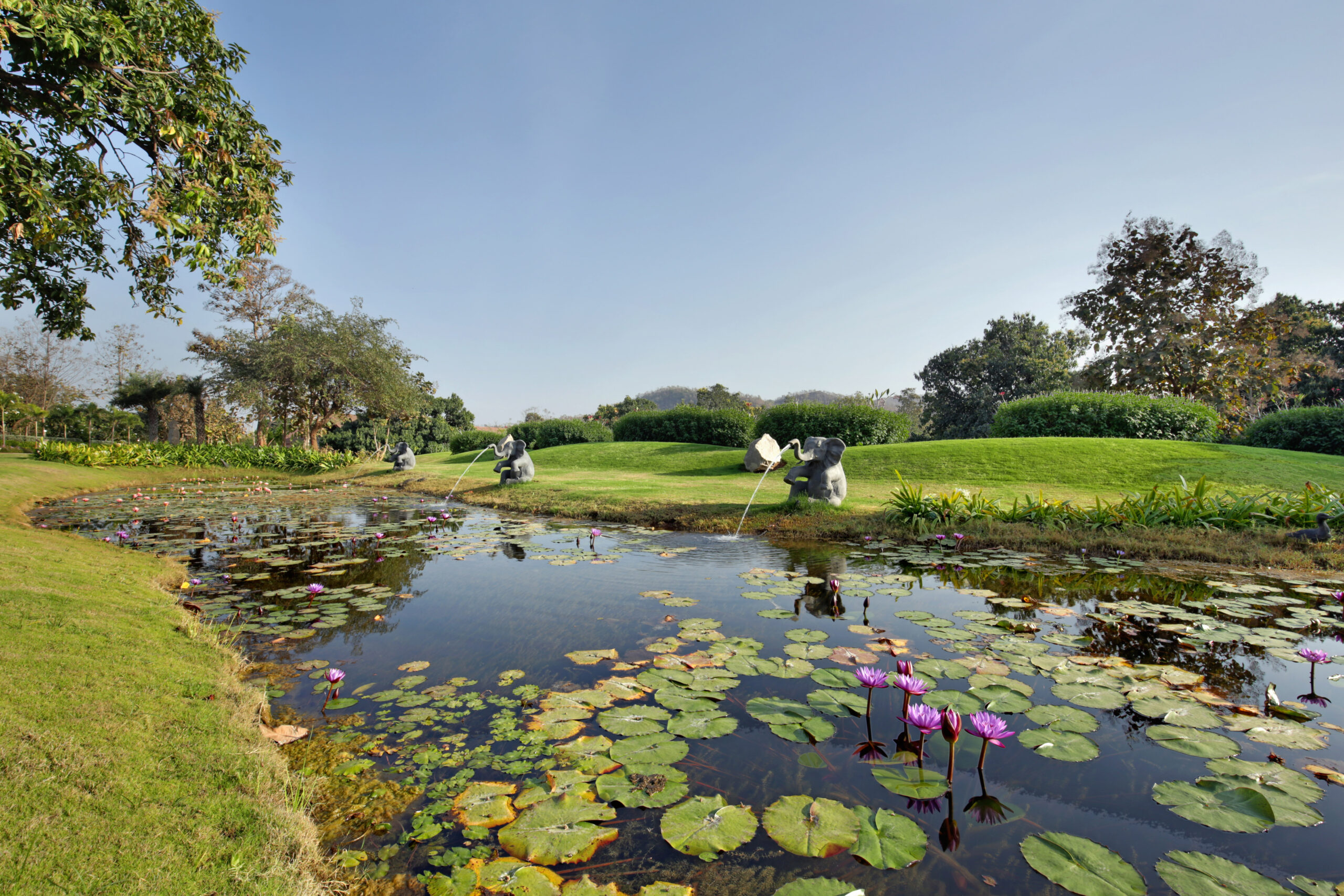
Several water bodies have been incorporated into the landscape design, enhancing the visual character of the campus while also contributing to the microclimate. Outdoor lighting has been designed to remain minimal and unobtrusive, blending into the landscape during the day and requiring only occasional replacement of LED bulbs.
Architecture as a Healing Environment
At the conceptual core of Alpha Healing Centre lies the belief that nature itself can become a partner in healing. In many traditional Indian healing practices, flowers and natural elements were believed to address the mind, body, and spirit simultaneously. This philosophy inspired the architectural approach for the project.
By integrating built form with the surrounding forested landscape, the design aims to reduce the fear, anxiety, and stigma often associated with medical rehabilitation facilities. Instead of feeling confined or institutional, residents experience a space that feels open, peaceful, and supportive.
Through its combination of nature, architecture, and thoughtful planning, the Alpha Healing Centre offers a unique therapeutic environment where patients can confront the challenges of addiction recovery while reconnecting with the restorative power of the natural world.