Made in MUD
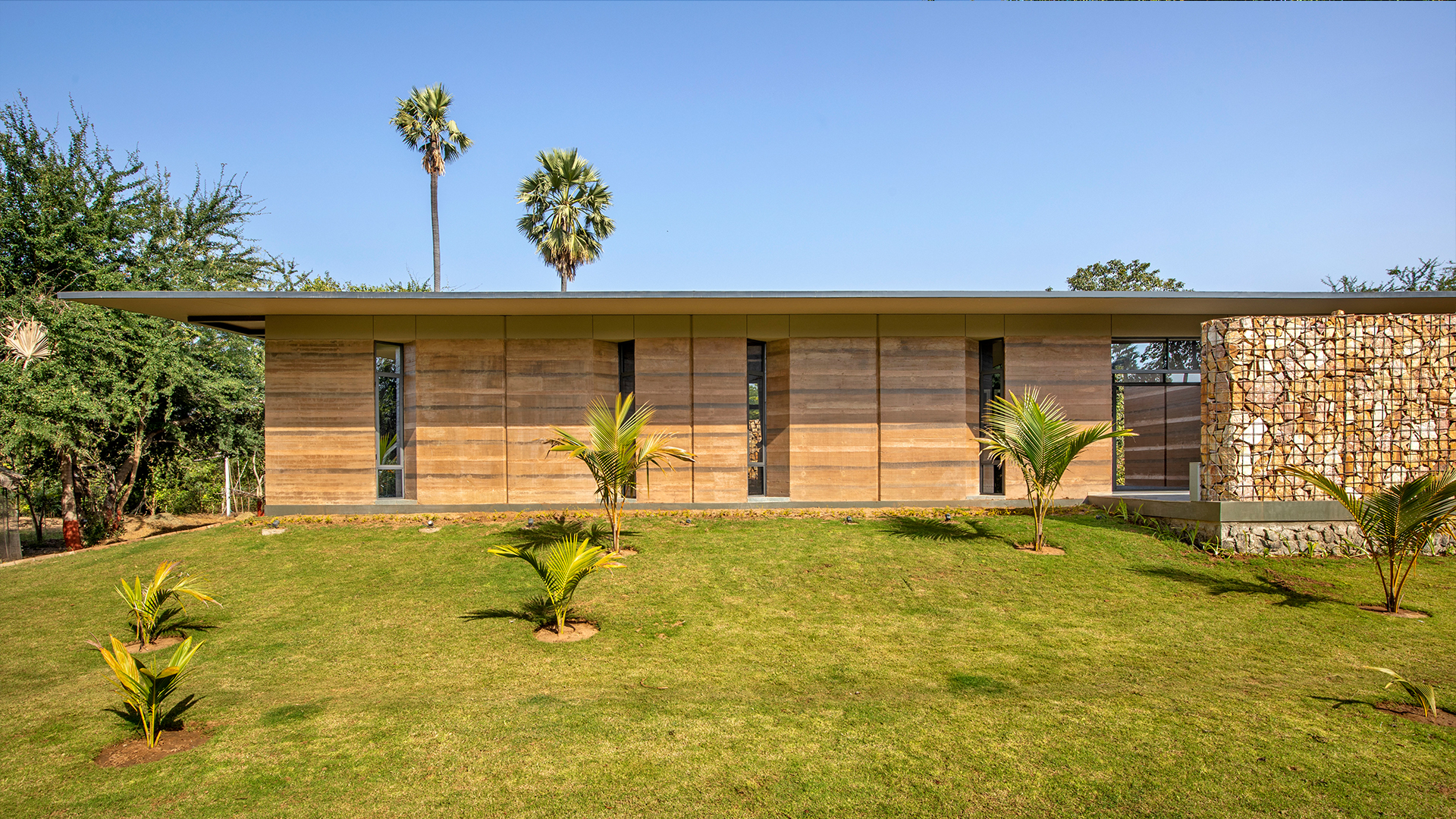
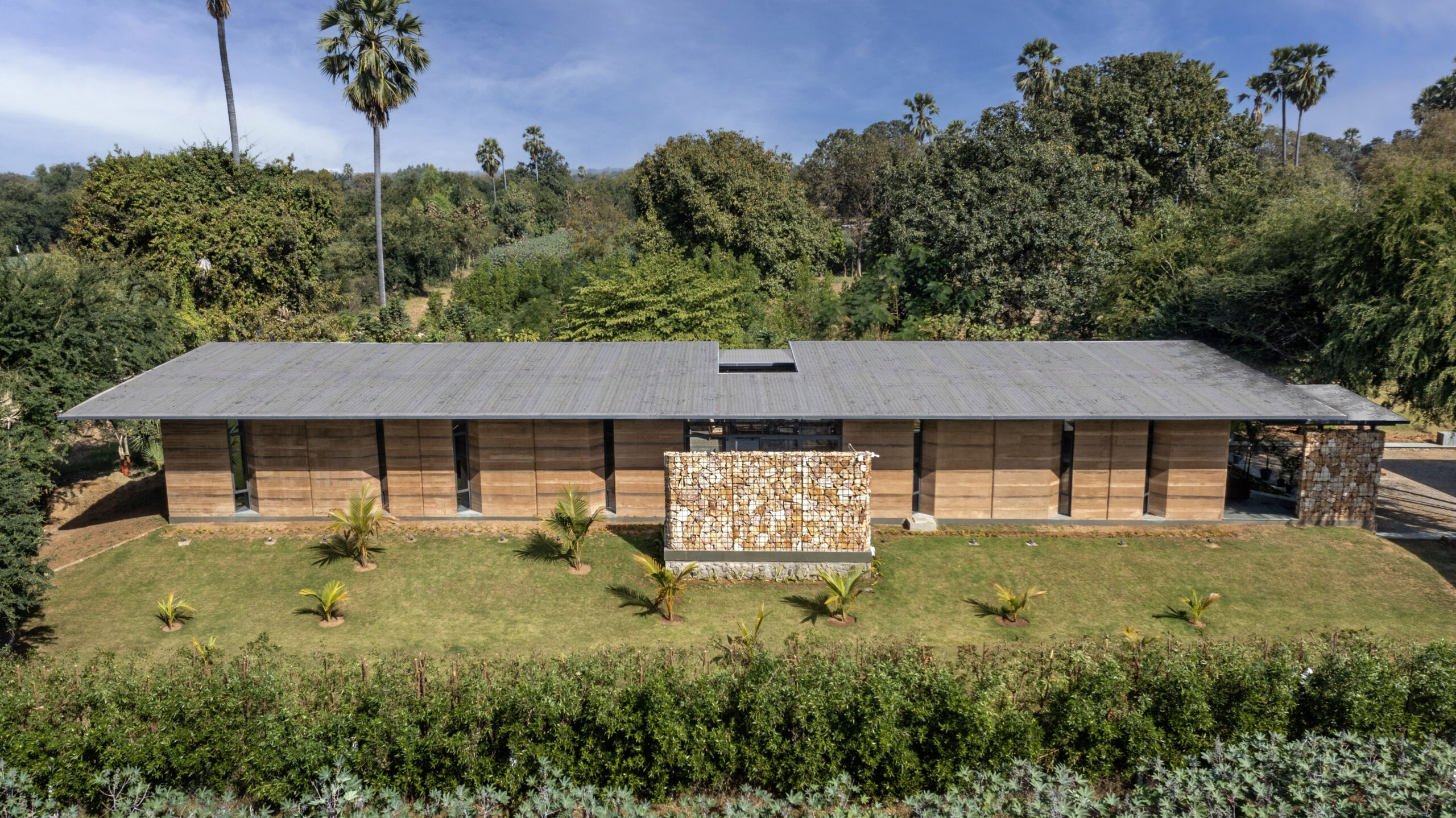
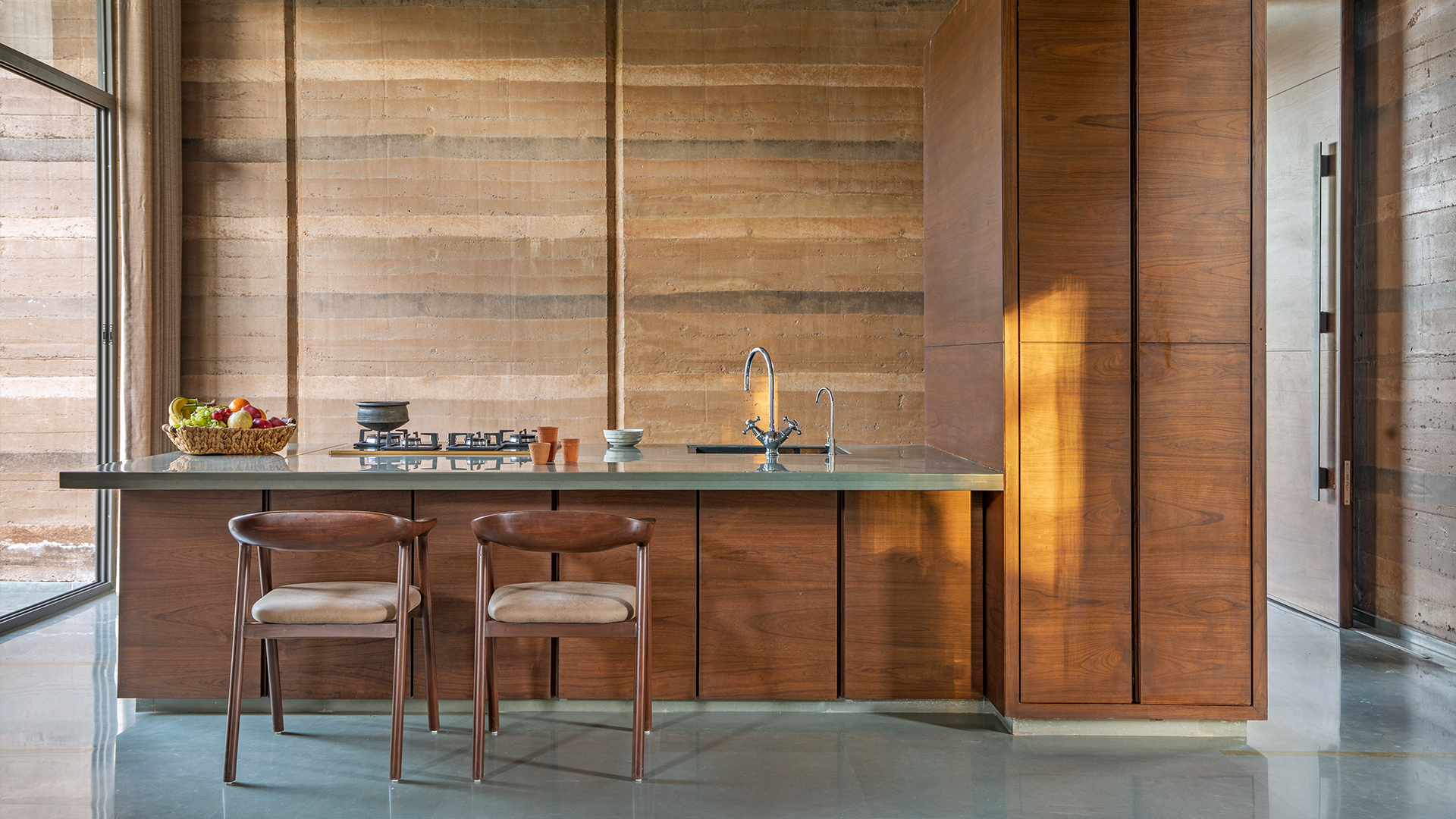
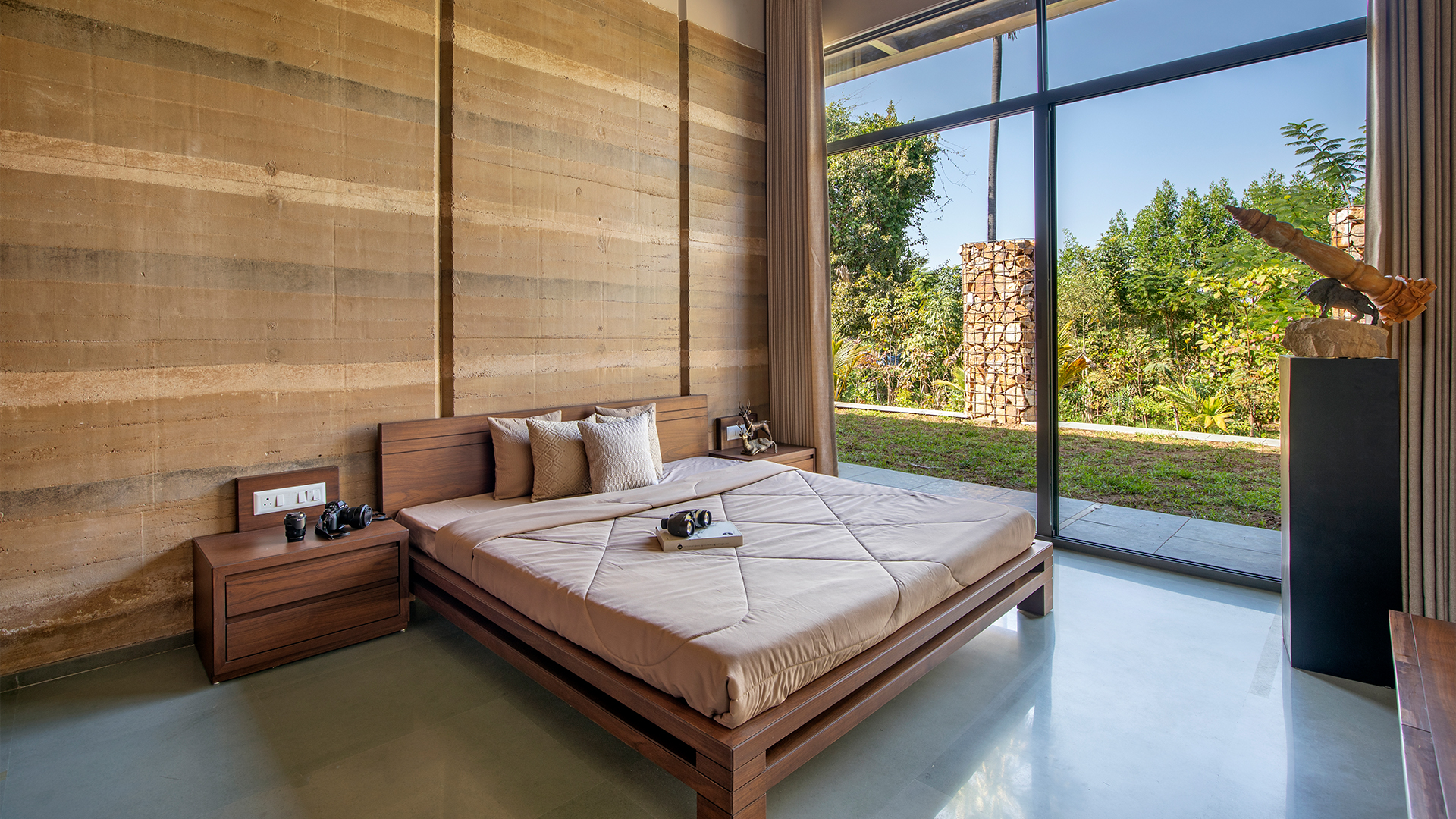
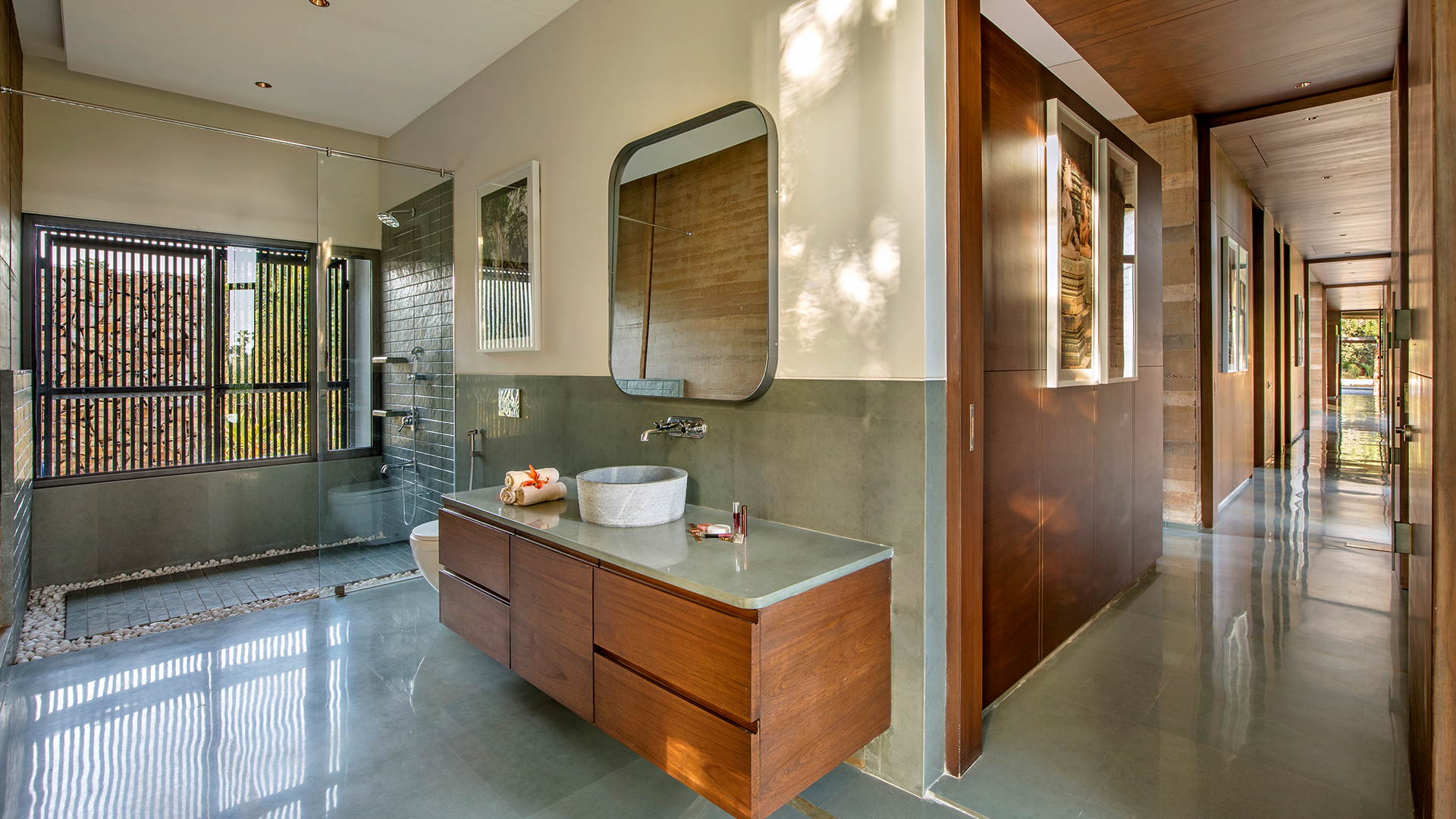
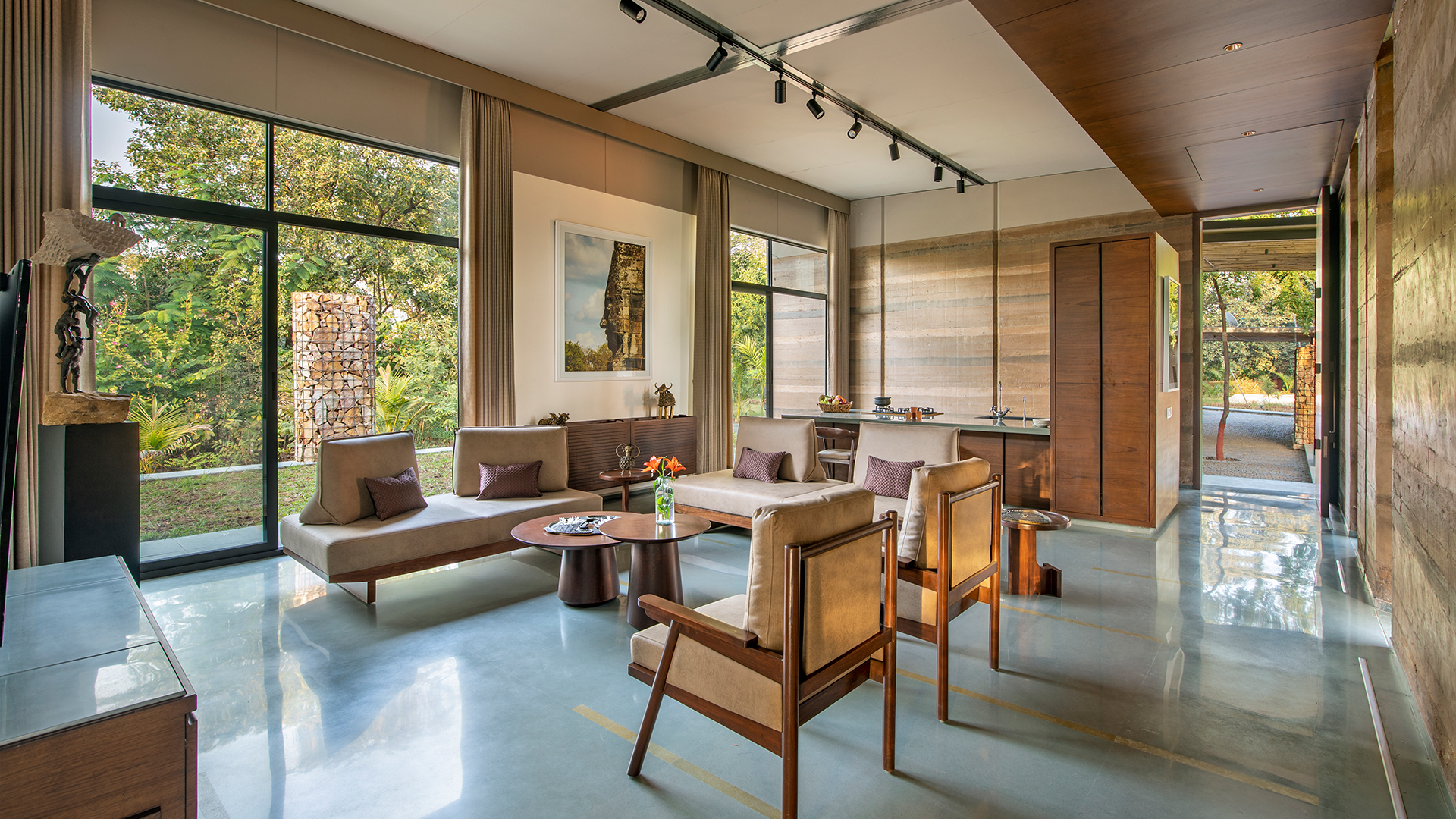
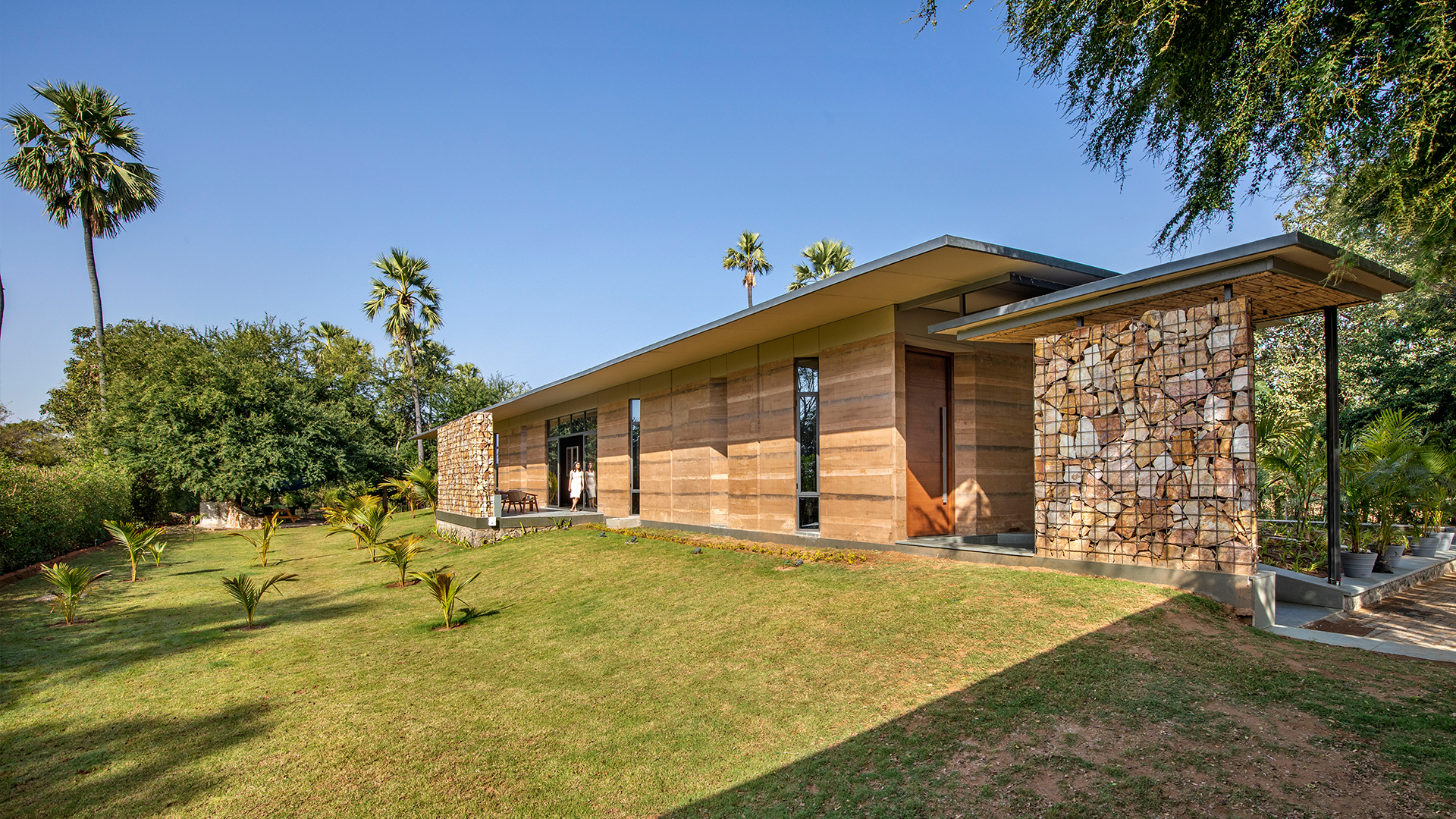
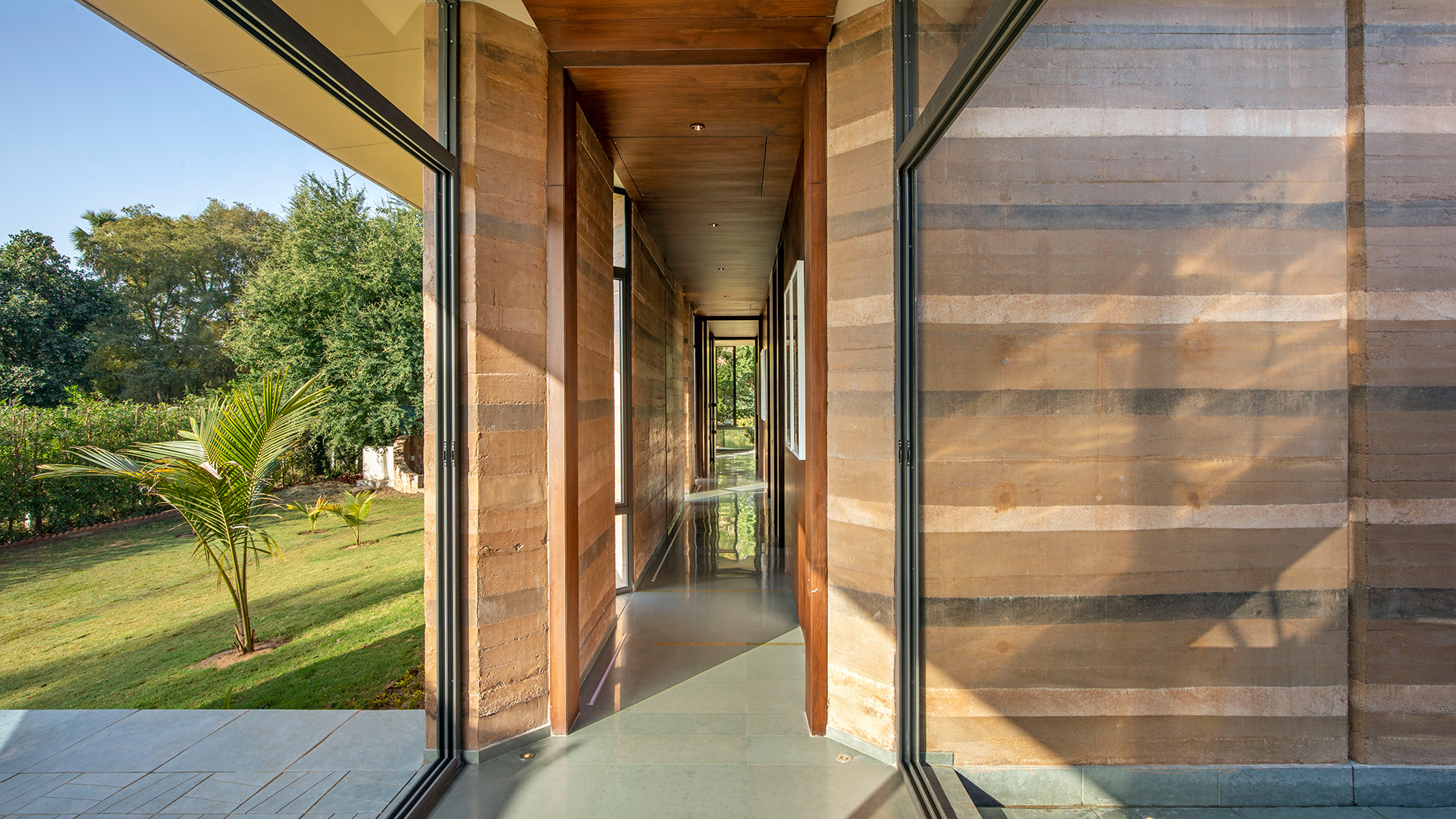
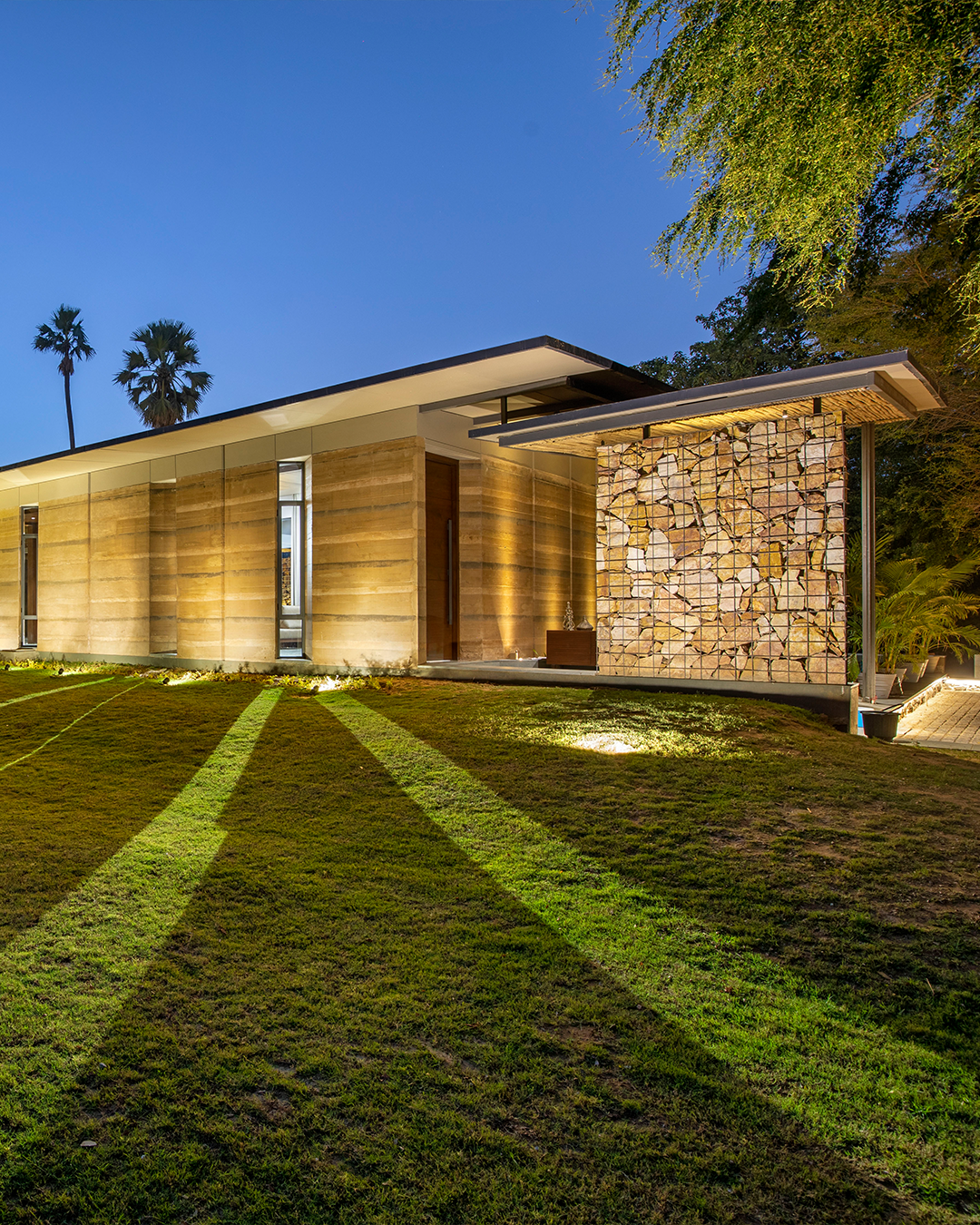
Located amidst the rural landscape near Halol in Vadodara, Gujarat, The Earth House is a near net-zero sustainable residence that reinterprets traditional construction techniques through contemporary architecture. Designed using rammed earth and locally sourced natural materials, the house responds sensitively to its climate and surroundings while minimizing environmental impact.
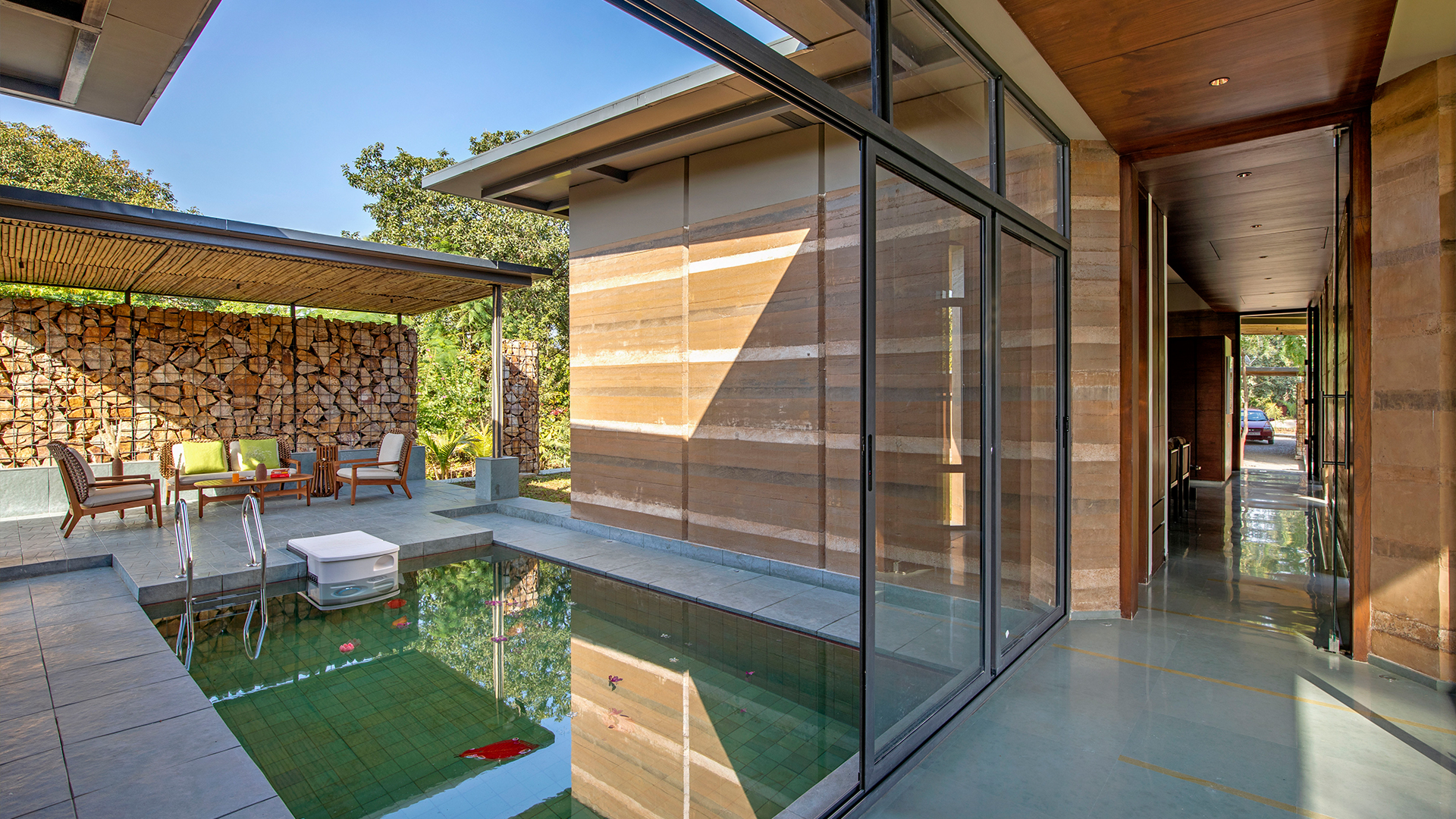
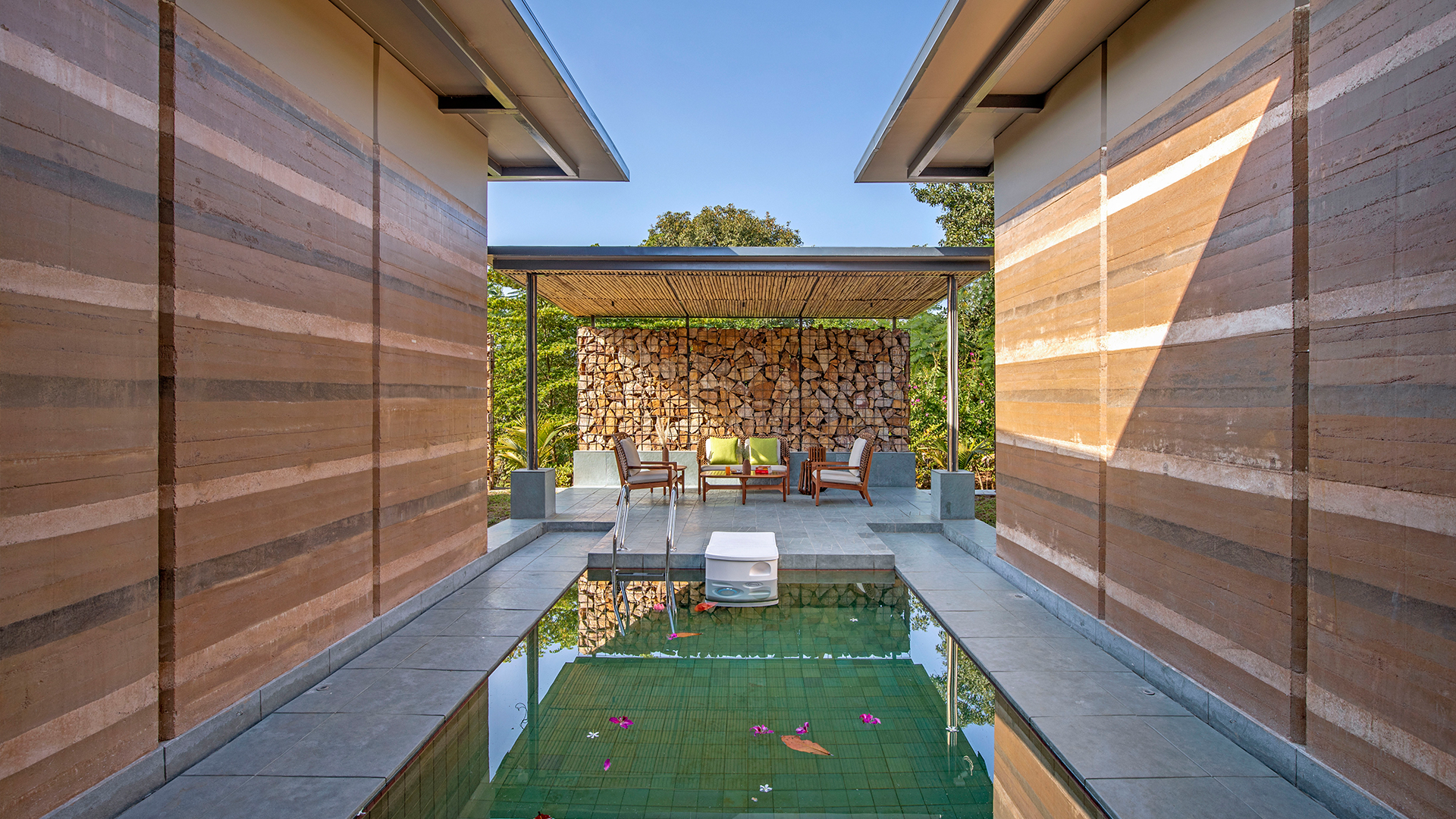
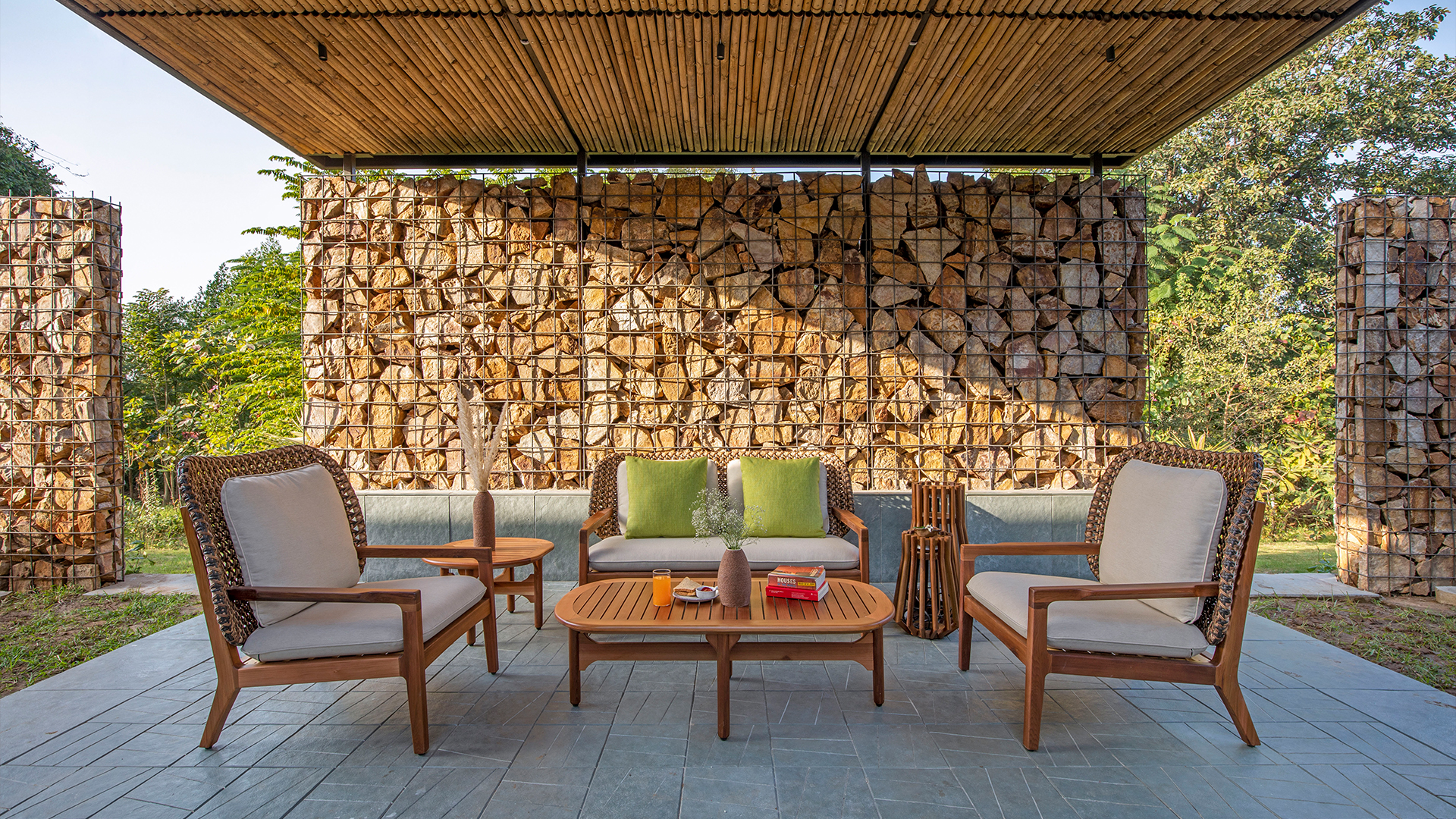
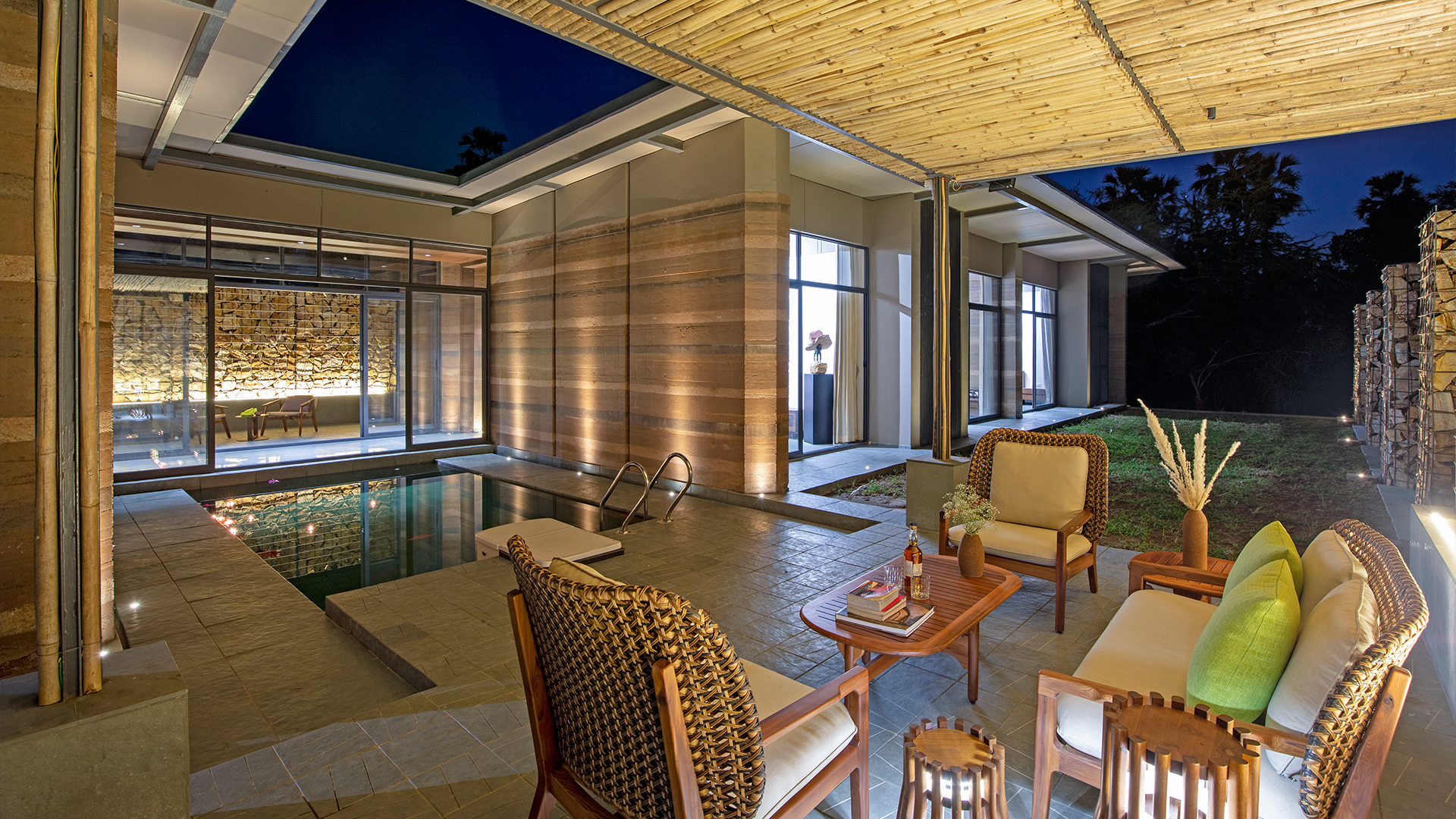
The thick earthen walls act as natural thermal insulation, reducing solar heat gain and maintaining interior temperatures approximately 7–10 degrees cooler than the outside tropical climate. The compact 3000 sq. ft. residence is planned with a simple layout consisting of three bedrooms and a central living space, complemented by outdoor leisure areas including a pool and gazebo that strengthen the connection between indoor and outdoor environments.
Passive design strategies play a key role in the project. The house is carefully oriented to face north, maximizing natural daylight and cross ventilation while reducing dependence on mechanical cooling systems. An inclined roof is designed to capture solar energy, enabling the home to generate renewable electricity and move toward net-zero energy performance.
The surrounding landscape further enhances the project’s sustainability goals. Native planting, a Miyawaki forest, organic farming areas, and a mango orchard create a self-sustaining ecosystem that produces food while improving biodiversity. Dense foliage naturally shades the building, reducing heat gain and strengthening the relationship between architecture and the natural environment.
Through its integration of natural materials, passive environmental strategies, and regenerative landscape design, The Earth House demonstrates how contemporary homes can balance comfort, sustainability, and ecological responsibility.
Year
2021
Location
Halol, Vadodara, Gujarat, India
Creative Director
Ar. Dharam Patel
Visualization
Art & Architecture Associates