



Alpha Healing Centre Designed by Art & Architecture Associates | Principal Architect: Dharam Patel
Firm: Art & Architecture Associates, Vadodara
Scope: Master Planning | Architecture | Landscape Design
Design Team: Dharam Patel, Team Art & Architecture Associates
Location: Narukot, Near Jambughoda (Godhra), Gujarat, India
Built-up Area: 7,500 sq. m. (Approx. 75,000 sq. ft.)
Timeline: 2015–2017
Client: Alpha Healing Centre
Photography: Tejas Shah
Website: www.alphahealingcenter.in
The Alpha Healing Centre, designed by Dharam Patel of Art & Architecture Associates, received international recognition when it was nominated in the Health category at the World Architecture Festival 2018 held in Amsterdam. The nomination placed the project among some of the most innovative healthcare and wellbeing architecture projects from across the world.
The World Architecture Festival (WAF) is widely regarded as one of the most prestigious global architecture platforms, attracting over a thousand entries annually from dozens of countries. In 2018 alone, more than 1000 projects from 81 countries were submitted, of which 536 projects were shortlisted across multiple categories. Selected architects present their projects live before an international jury of experts during the festival.
International Recognition for Healing Architecture
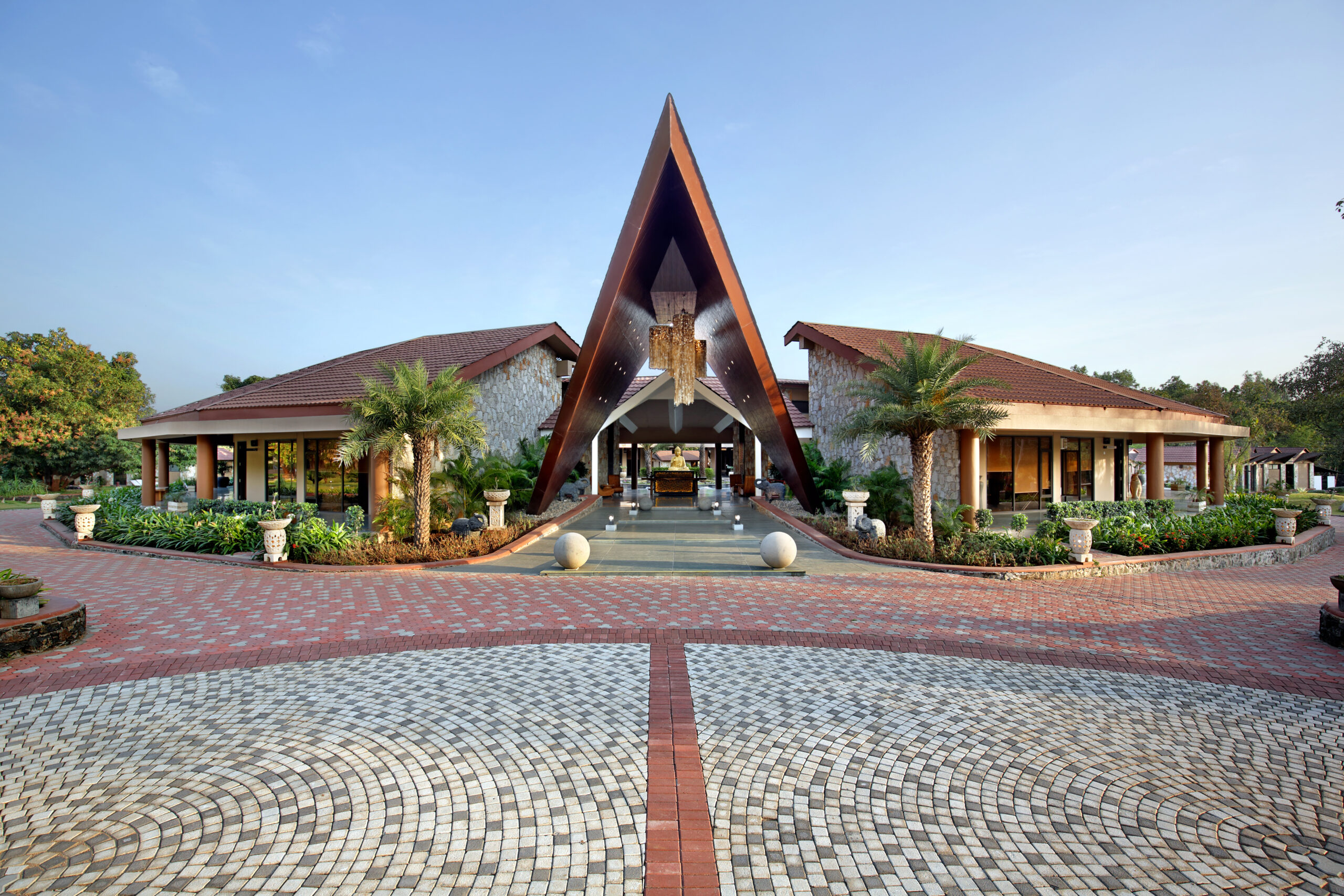
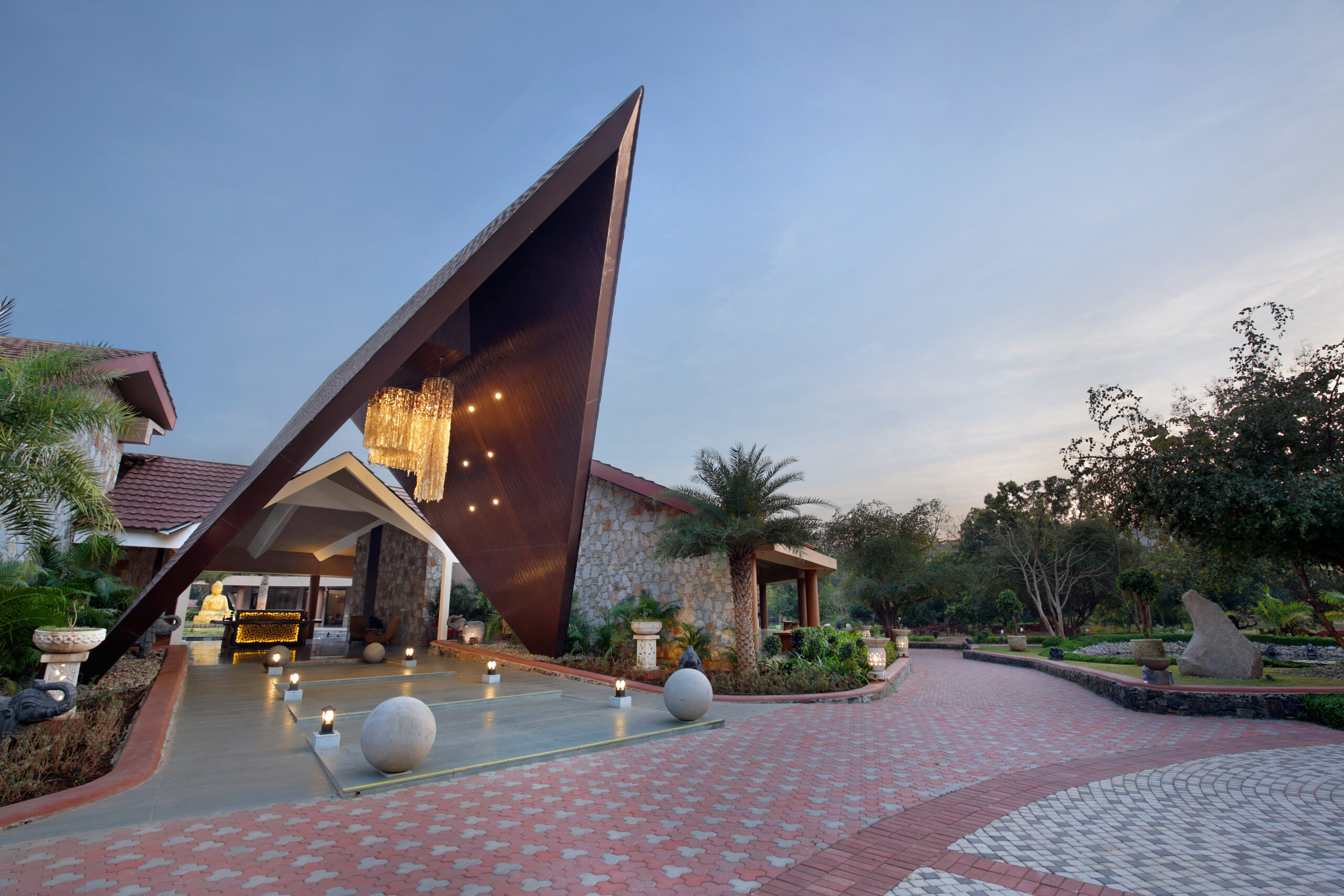
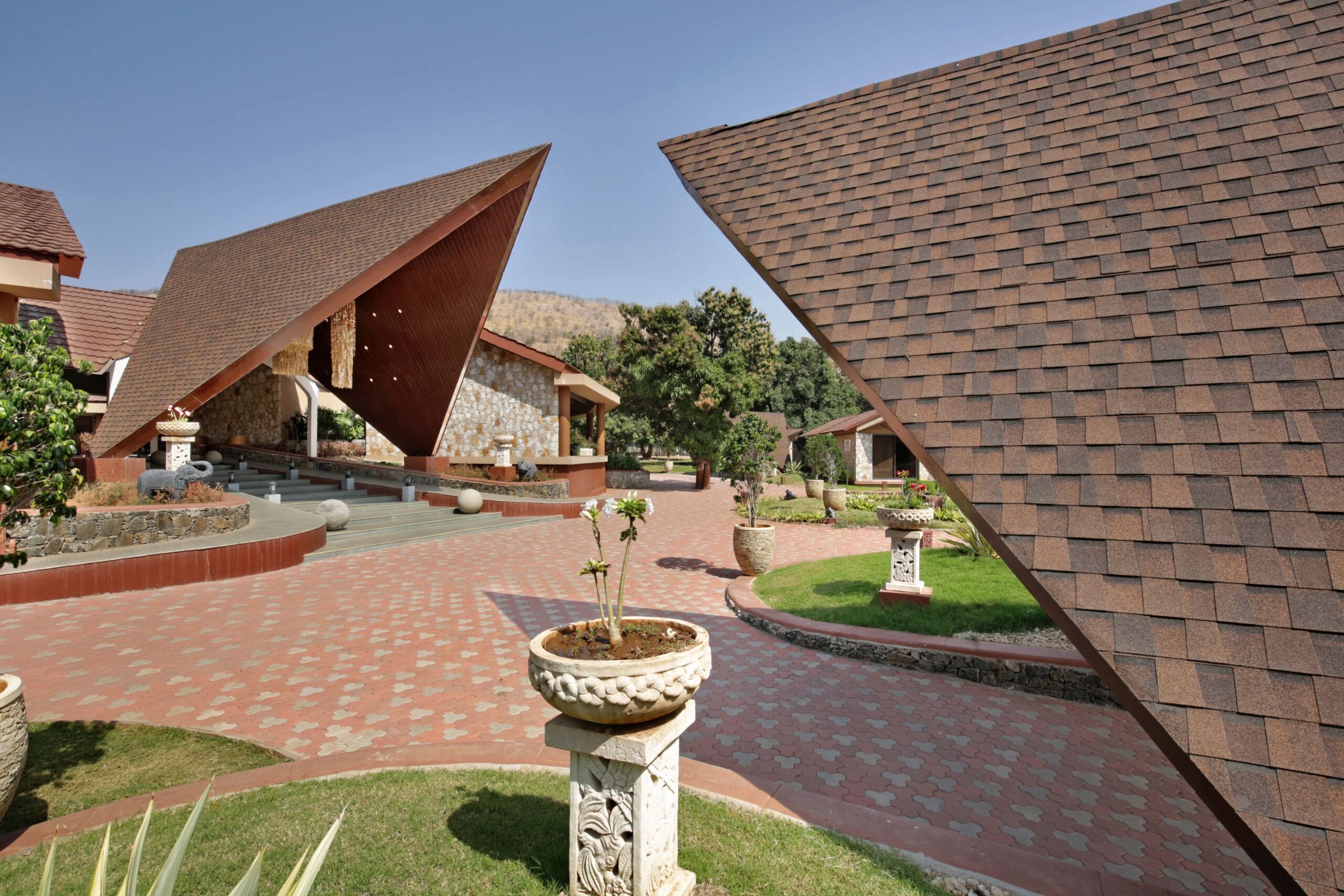
The nomination of Alpha Healing Centre at WAF highlighted the project’s innovative approach to rehabilitation architecture, where the design moves away from the typical institutional character of medical facilities. Instead, the architecture creates a calming, resort-like healing environment that supports the emotional and psychological recovery of patients dealing with addiction.
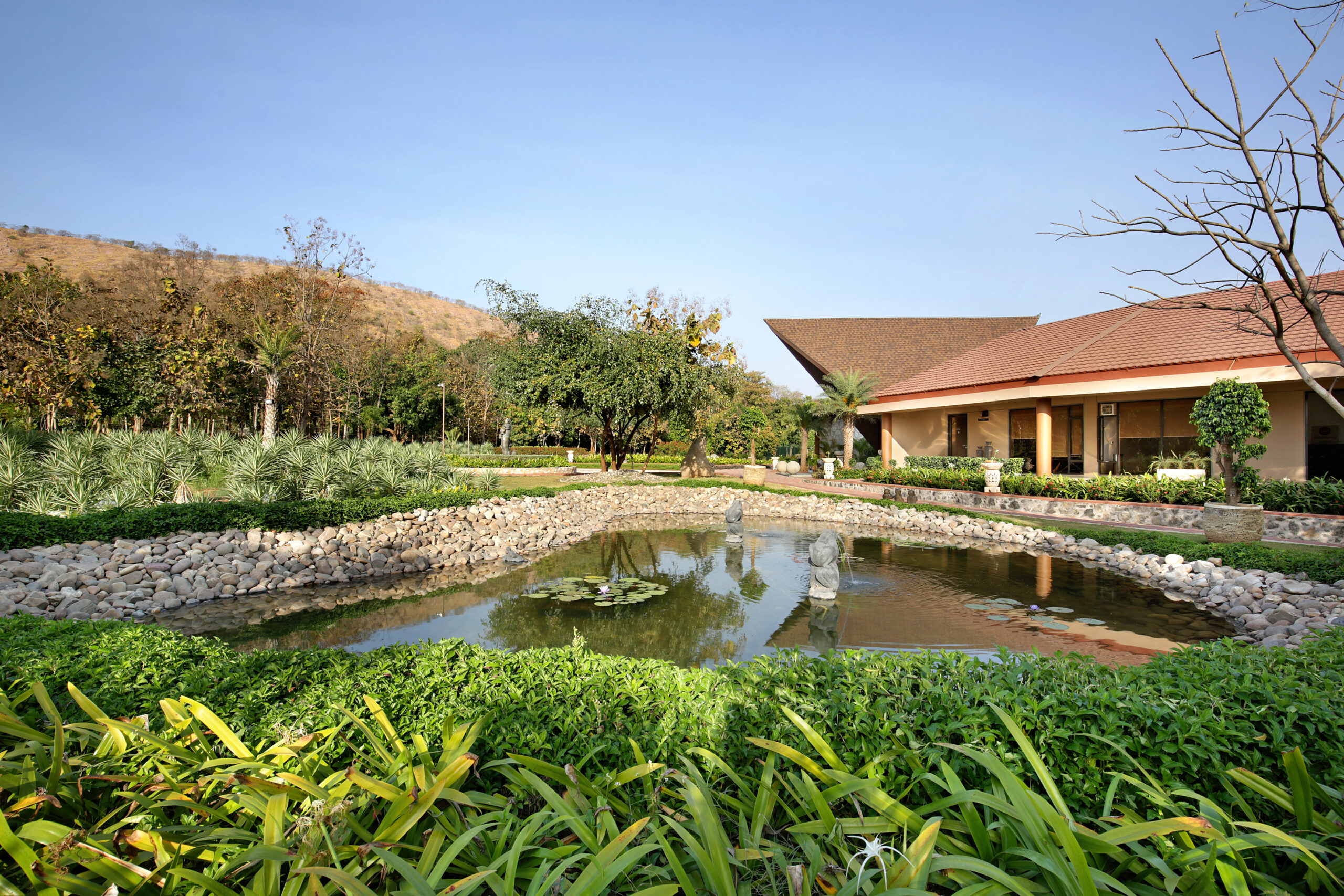
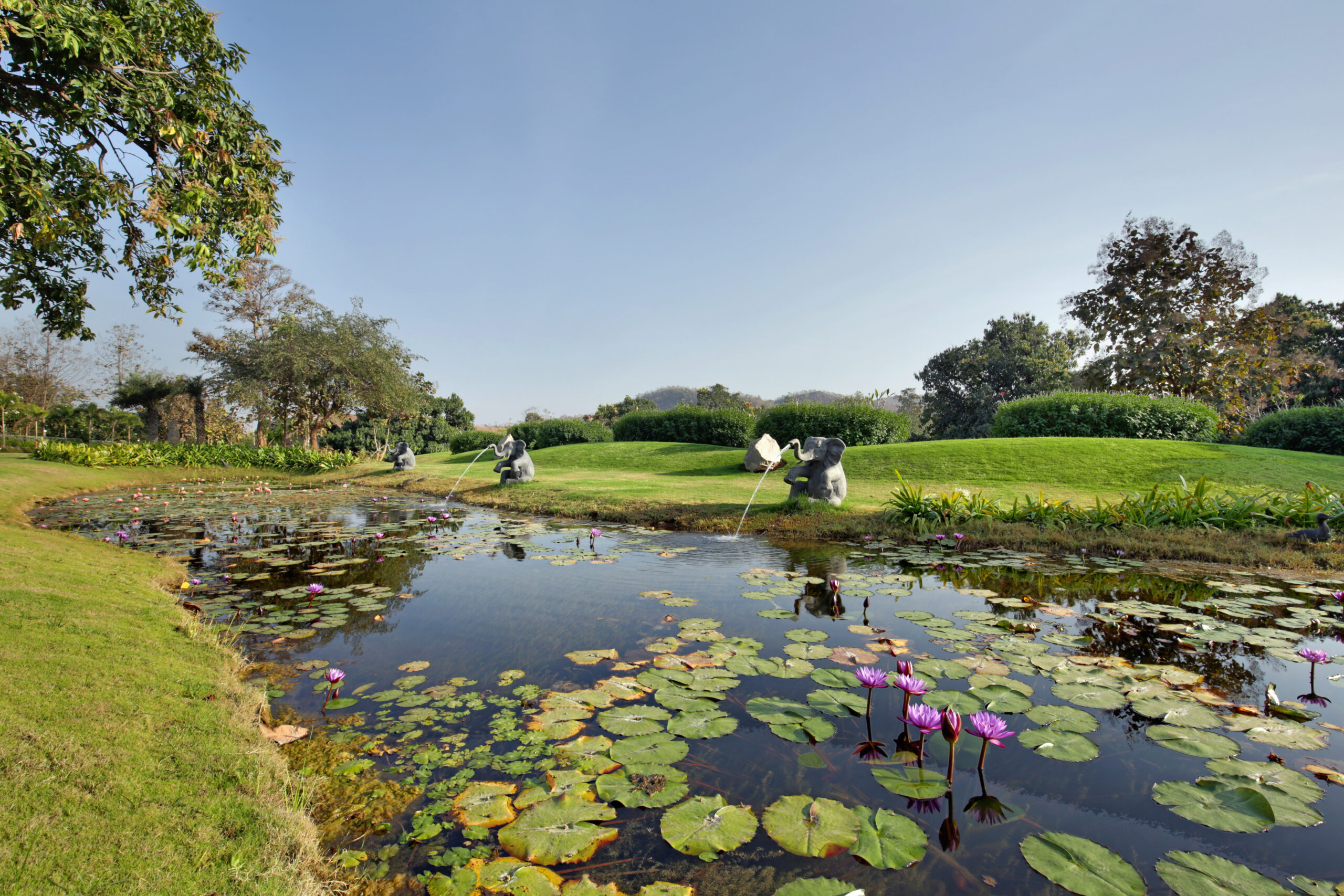
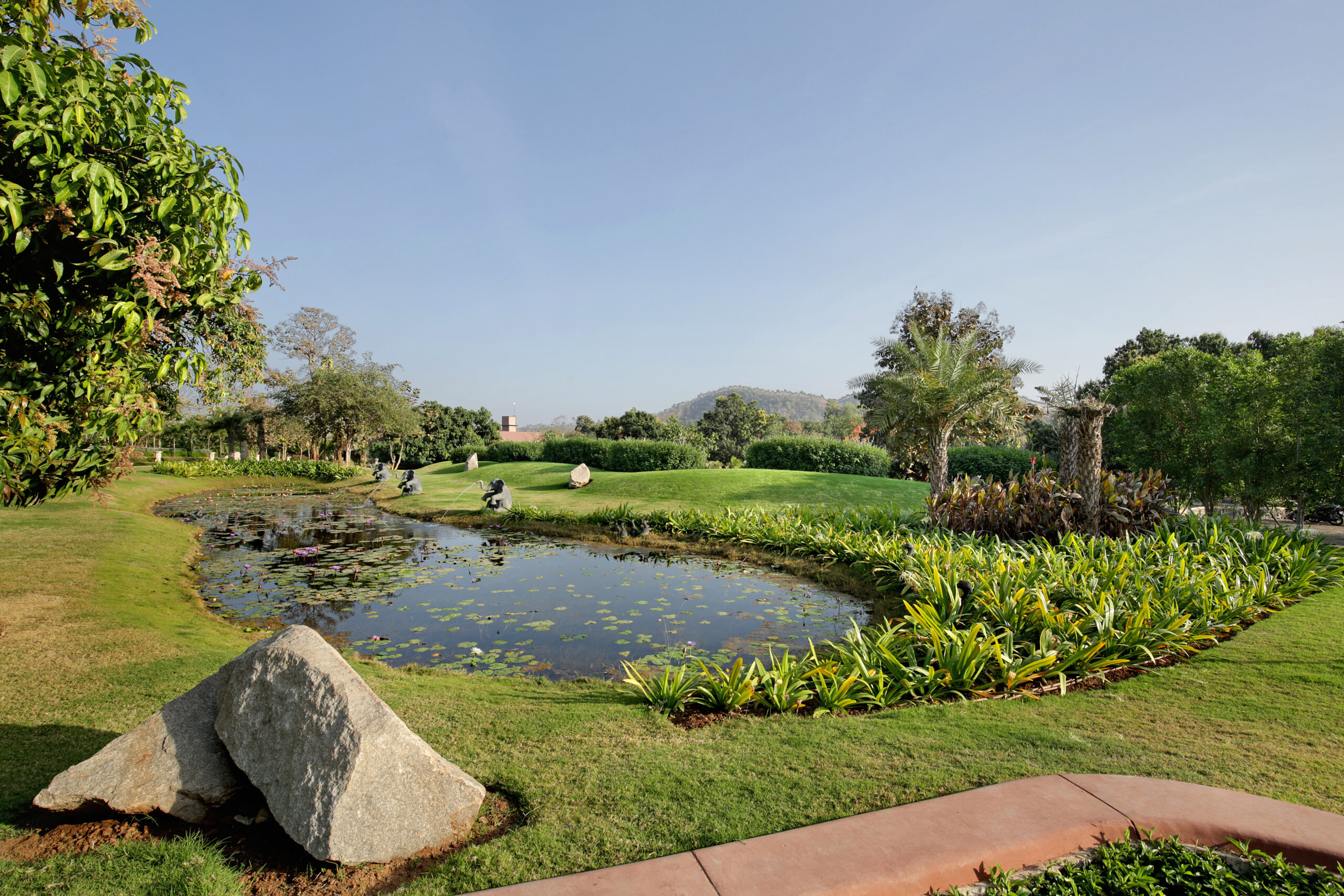
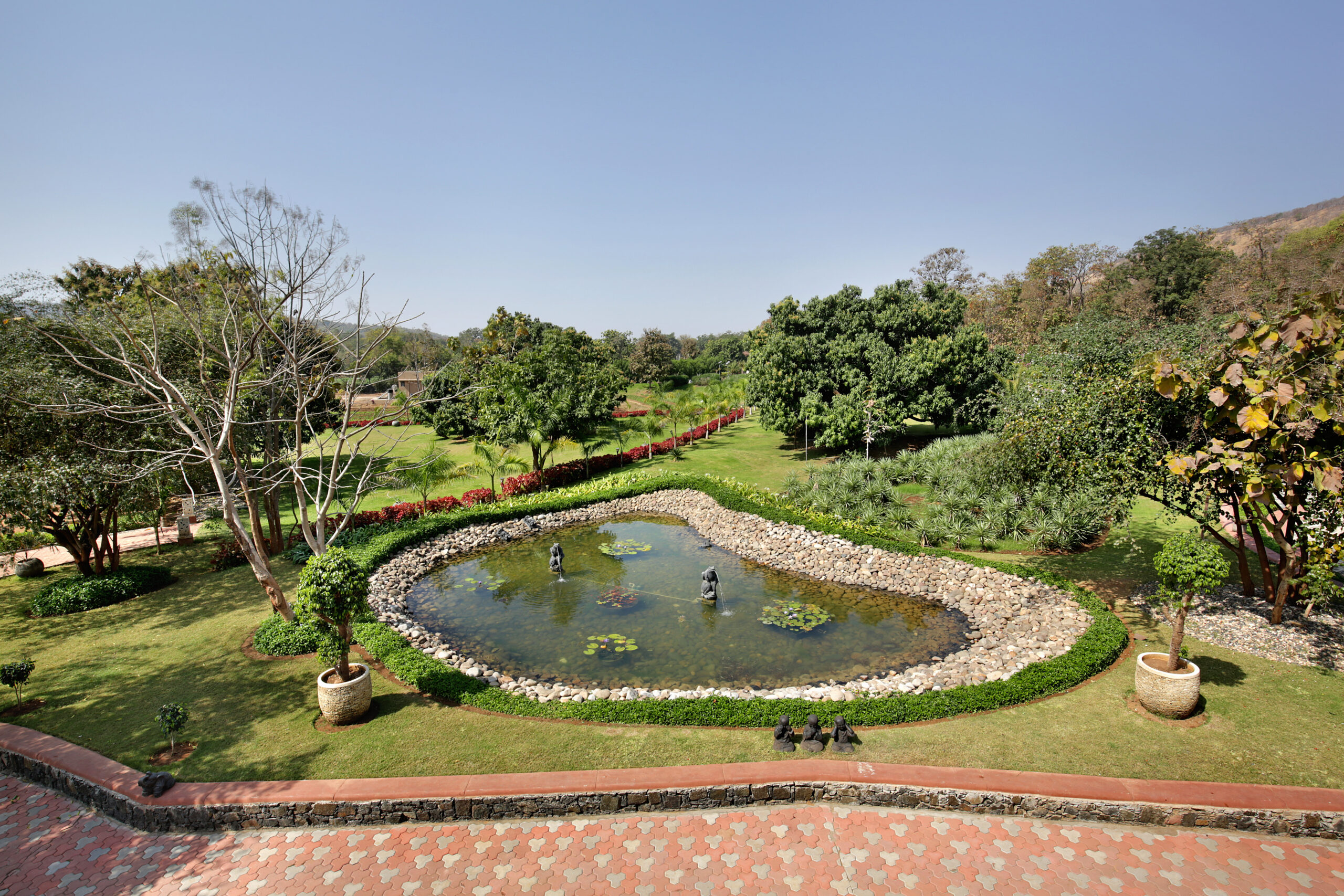
Located in the natural landscape of Narukot near Jambughoda, Gujarat, the centre is set within a forested site surrounded by large mature trees and expansive greenery. The architectural design integrates buildings, landscape, and open spaces to form a therapeutic environment where nature becomes an active partner in the healing process.
The planning concept is inspired by the form of a flower, where the central administrative building acts as the core while various functional zones radiate outward like petals. These include patient cottages, recreational facilities, staff residences, medical facilities, and communal spaces. This organic layout softens the spatial experience of the campus while preserving existing trees and natural features of the site.
Architecture that Supports Recovery
The WAF nomination recognized the project’s strong architectural response to the needs of a rehabilitation facility. Instead of creating rigid corridors and enclosed wards typically associated with hospitals, the design promotes openness, privacy, and connection with nature.
Patient cottages are arranged in gently curved clusters that radiate outward from the central hub, allowing each unit to maintain views of landscaped gardens and natural surroundings. The built forms remain low-rise and human-scaled, ensuring that the architecture feels approachable rather than institutional.
The central building itself is circular and organized around an open-to-sky courtyard, reinforcing the idea of gathering, reflection, and calmness. The architecture deliberately avoids harsh geometries and instead employs flowing forms and landscaped pathways that create a relaxed, restorative environment.
Sustainability and Self-Sufficient Campus
Another reason the project gained international attention at WAF was its sustainable and self-sufficient planning strategy. The centre is designed to function with minimal environmental impact while maintaining comfort and functionality.
Key sustainable initiatives include:
- Locally sourced stone used for building cladding and landscaping
- Solar panels generating approximately 30 kW of renewable energy
- Rainwater harvesting and groundwater recharge systems
- Wastewater recycling used for landscape irrigation
- Organic farms producing around 50% of the centre’s vegetable requirements
- Drip irrigation and water-efficient landscape systems
These strategies create a campus that is both environmentally responsible and economically efficient.
A Global Platform for Indian Architecture
Being shortlisted at the World Architecture Festival brought international attention to Alpha Healing Centre as a significant example of contemporary Indian healthcare architecture. The project demonstrated how architecture can go beyond functionality to become a therapeutic environment that supports mental, emotional, and physical recovery.
Through its integration of landscape, sustainable systems, and human-centred design, the Alpha Healing Centre represents a progressive model for rehabilitation facilities — one where architecture plays an active role in healing.